
Deeve Demo Shopify Store (shop.deeve.info)
A demonstration Shopify storefront built to showcase theme customisation, layout, and storefront UX. Password-protected demo, available on request.
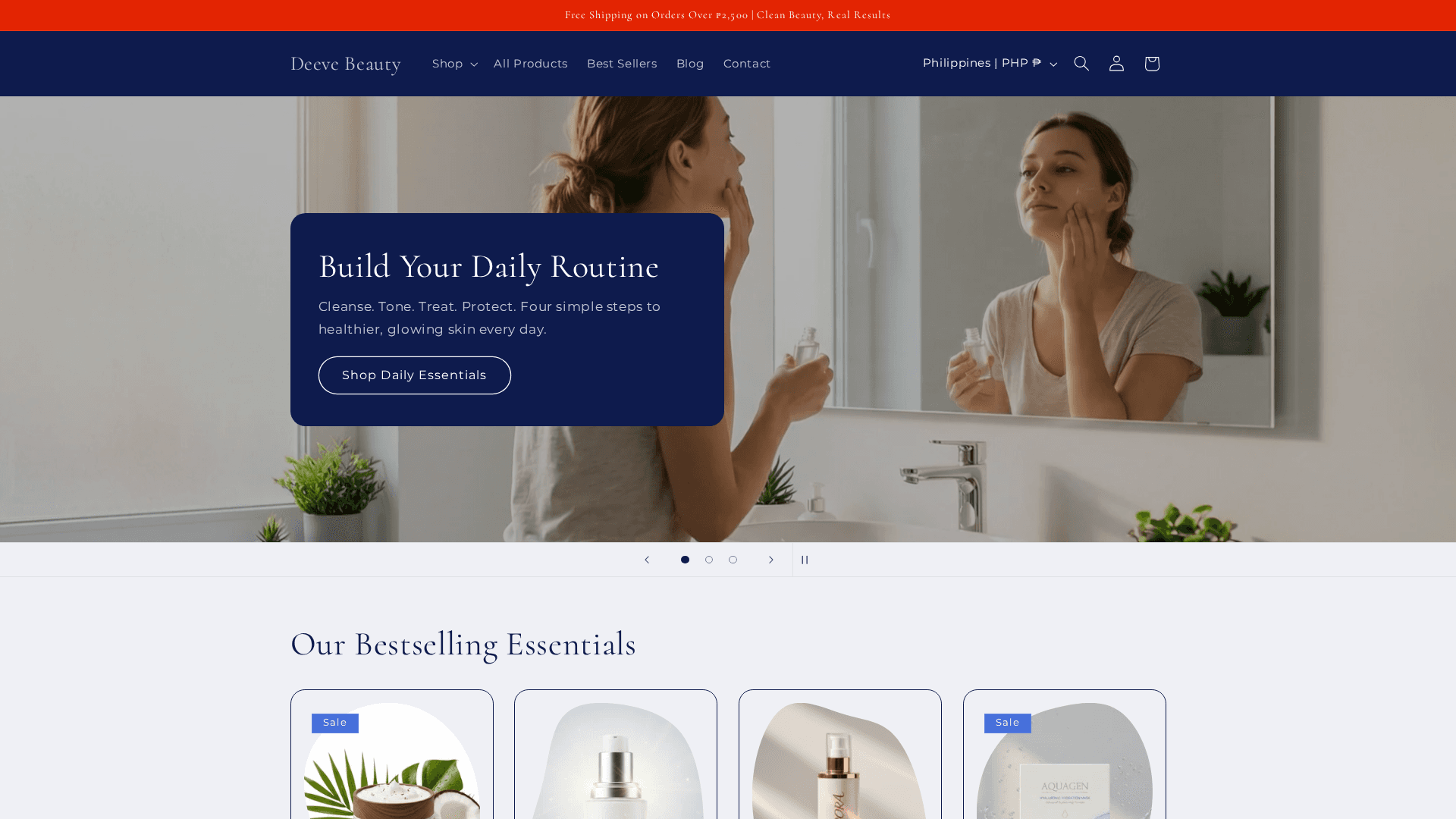
A demonstration Shopify storefront at shop.deeve.info, built to show theme customisation, layout and storefront UX in something you can click rather than read about.
Password protected, available on request.
What was in the way
Most Shopify work is either under NDA or lives on a client store I cannot hand out freely.
That is a real obstacle when someone is deciding whether to hire. A prospective client reasonably wants to see and click a storefront before committing to a build, and screenshots do not answer the questions they actually have: how fast is it, how does the product page behave on a phone, what happens at the cart.
Case study write-ups have the same limit. They describe decisions. They cannot demonstrate feel.
Five parts, each with a reason
The same theme work I do on client stores
Liquid-level customisation rather than app assembly, visible and inspectable. Custom sections, custom product and collection templates, and the merchandising patterns I apply on real builds.
Anyone technical can open the source and see there is no page builder runtime, that the markup is clean, and that sections are structured to be reconfigured without a developer.
Conversion patterns, in a place you can examine them
The add to cart behaviour, the quantity handling, the trust signal placement and the mobile treatment. Described on a case study these are claims. Here they are testable.
Product and collection layout
Merchandising structure, collection organisation and product page treatment, all built the way I would build them for a live retail store.
Why it exists as a separate project
Two reasons.
A sandbox is where I try things before they touch a client store. Testing a section pattern or a checkout tweak on a live retail store, even carefully, risks revenue for the sake of a question that a demo store answers for free.
And it is a reference build. When a client asks what a particular treatment looks like, it is faster and more honest to show a working example than to describe one or to point at a competitor.
What you can actually check on it
Open the page source. There is no page builder runtime, no injected app markup and no inline style blocks from a theme editor. Sections are Liquid with their own schema, which is what makes them reorderable by a store owner rather than only by a developer.
Run it through PageSpeed. A demo store with no traffic and no apps is not a fair benchmark for a busy retail store, but it does show what the theme layer costs before anything is added, which is the number that matters when deciding whether to build or to install.
Resize it. The product grid and the product page reflow at real breakpoints rather than switching to a separate mobile theme.
Add something to the cart. The quantity handling, the cart drawer behaviour and the checkout handoff are the same ones I use on live stores.
The engineering underneath
Shopify with custom Liquid theme work. Custom sections, custom templates, no page builder and no app-assembled layout.
Why it is password protected
It is a sandbox, not a retail store. It has no real inventory, no support, no returns policy that means anything, and no business behind it.
Leaving it open would put a non-functional store into search results under the Deeve Technologies name, which is both an SEO problem and a credibility risk for anyone who found it without context. The password is available on request, which costs a prospective client one message and removes both problems.
Hire me for this
Shopify Store Management & VAFrom $10/hrAmazon & Ecommerce VAFrom $10/hrProjects like this
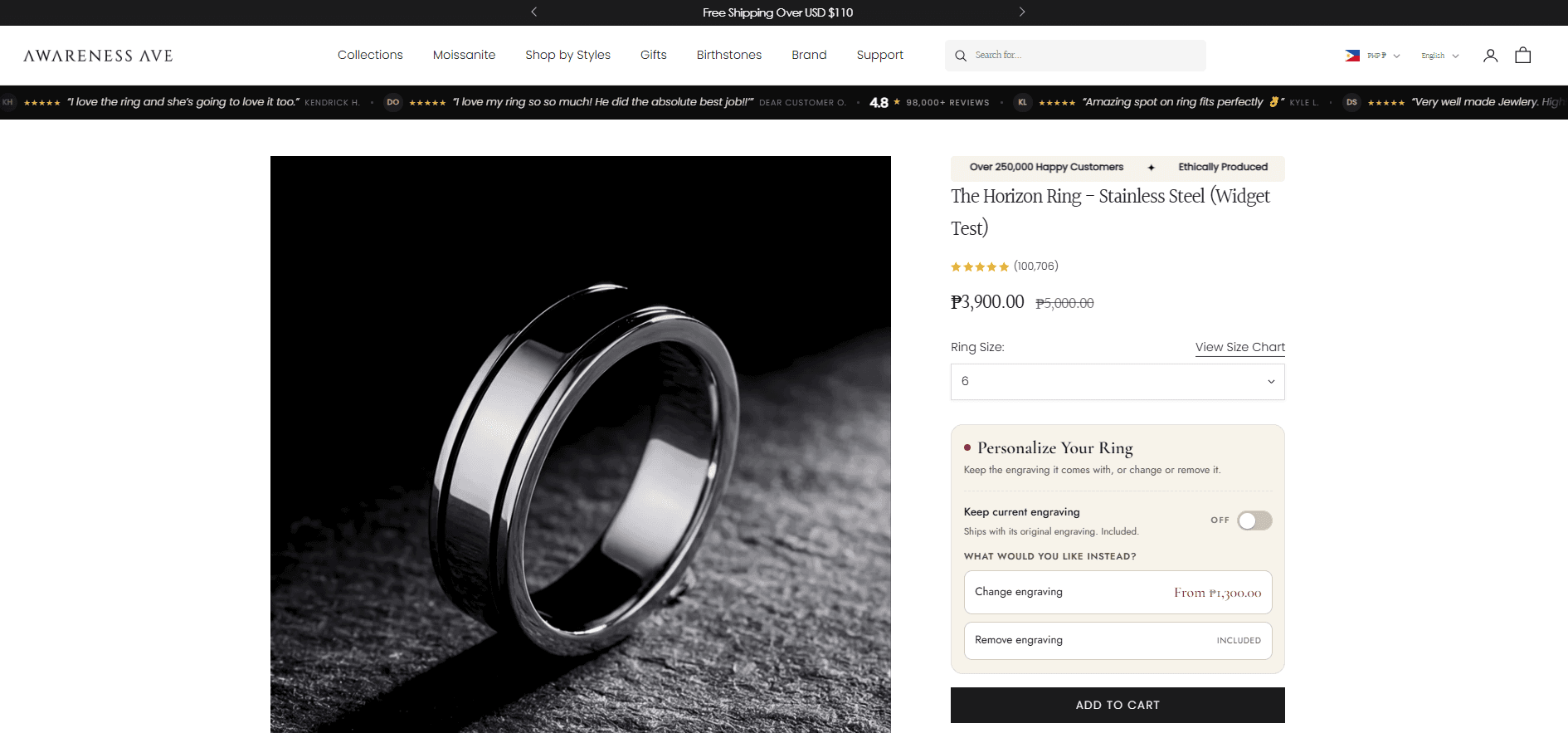
Awareness Avenue, Customizer
Six Shopify Liquid product customizers for personalised jewellery, including the ring pair that replaced a...
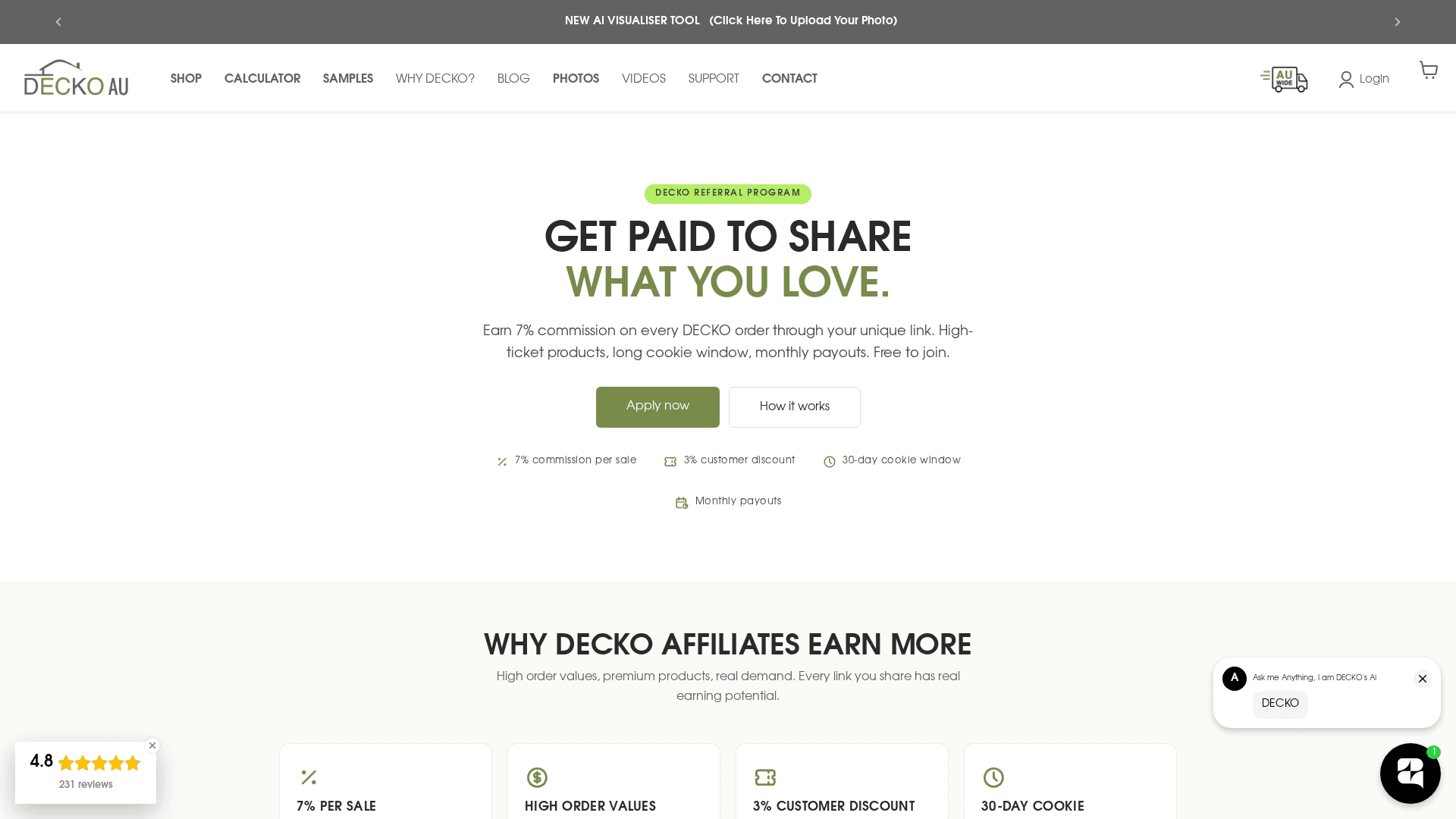
DECKO Referrals and Affiliate Page
An affiliate recruitment landing page for DECKO Australia, powered by UpPromote. Affiliates earn 7% commission...
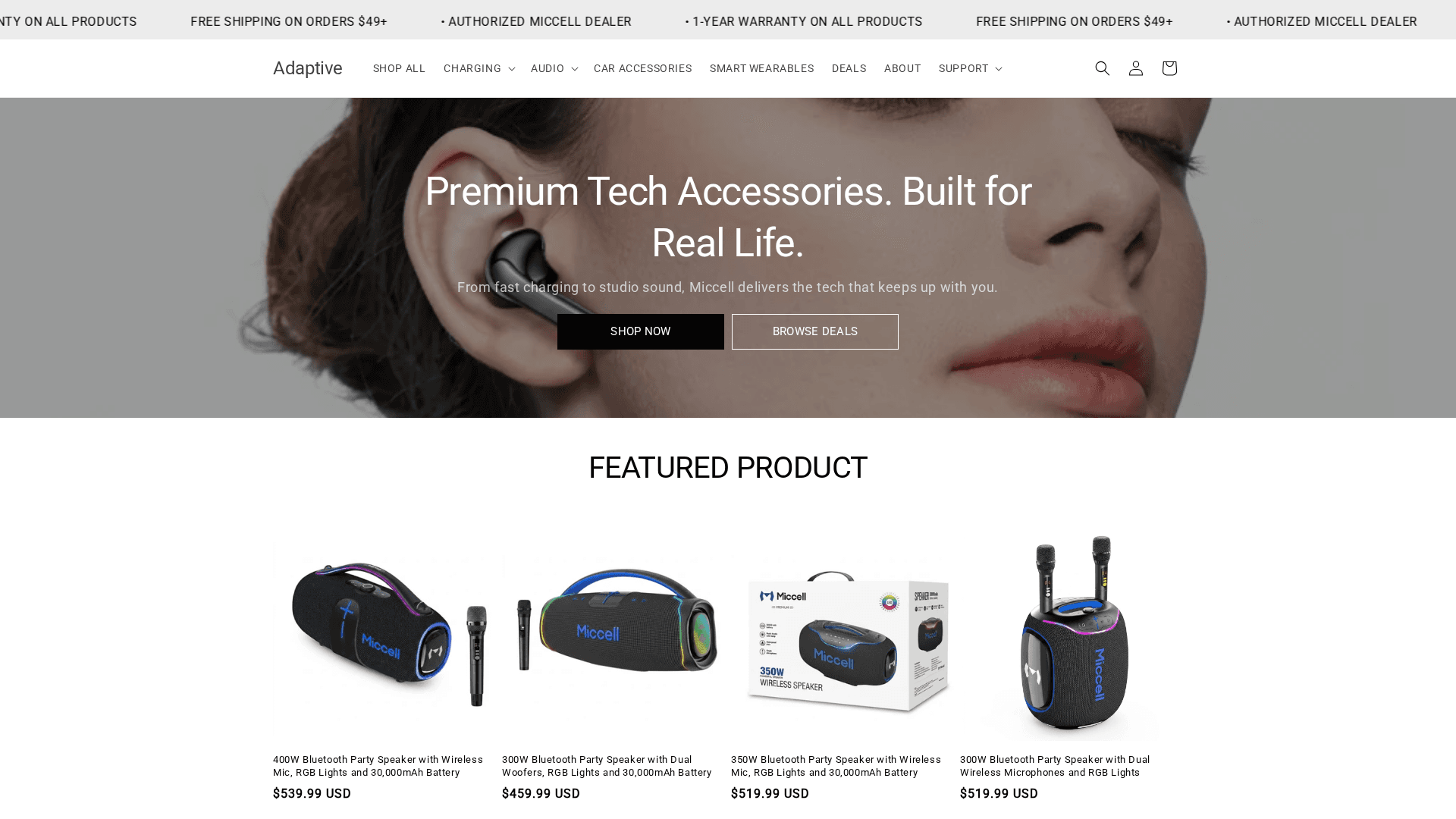
Adaptive Automate, Shopify Store Build
A full Shopify store build for Adaptive Automate, an independent retailer of Miccell tech accessories:...
I build software, and I measure whether it works.
The same questions I research are the ones I ask on client builds: is it reliable, is it fast, is it easy to use, and is it secure. Those four drove satisfaction in my ICT portal study, and they shape how I scope and test every project.